
Beautiful Plants For Your Interior
Beautiful Plants For Your Interior

Take time to understand the different reasons you use marijuana. Identifying triggers allows you to prepare alternative responses. If certain friends primarily use marijuana together, you may need to set boundaries or limit contact during early recovery. Treatments for CUD seem to target aspects of the binge-intoxication, withdrawal-negative affect, and preoccupation-anticipation stages described by Koob and Volkow (2016). Marijuana addiction intersects with the criminal justice system in complex ways, particularly in regions where marijuana remains illegal or is only partially legalized.
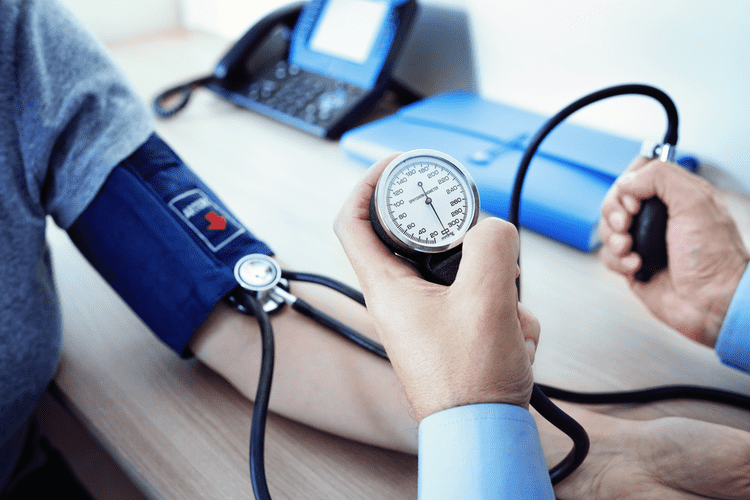
This could be because they experimented with weed at one point and didn’t develop a problem, but more Americans than ever are entering treatment for marijuana addiction. But it’s possible to get hooked on marijuana, also known as cannabis. Studies show about 1 in 10 adults who use marijuana can get addicted. Education efforts should focus on the legal implications of marijuana use, health risks, and coping strategies for is weed addictive resisting peer pressure.

This article explores the risks and addictive potential of marijuana, along with practical strategies to manage and overcome addiction. According to the National Institute on Drug Abuse (NIDA), about 30% of people who use marijuana may develop some level of marijuana use disorder, and the risk is even higher for those who start using as teens. Marijuana addiction, also known as cannabis use disorder, can lead to real problems in your daily life, relationships, and health. If you’re using marijuana to cope with mental health problems, work with professionals to address these underlying issues. Treating anxiety, depression, or other mental health disorders gives you the tools to manage symptoms without relying on substance abuse. The mental health effects of marijuana addiction are significant, with the drug influencing various aspects of emotional and cognitive well-being.
The debate around marijuana’s addictive potential, the effects of legalization, and the specific risks to vulnerable populations such as youth and adolescents highlight the complexities of this issue. Addressing marijuana addiction effectively will require ongoing education, public health initiatives, and access to treatment services that support individuals in overcoming addiction and leading healthier lives. In addition to physical signs, marijuana addiction also manifests in various behavioral and psychological symptoms. These symptoms often reflect changes in an individual’s daily functioning, emotional state, and overall mental health. Other data indicates that the number of adults who use cannabis daily or near-daily now exceeds the number of adults who drink with the same frequency. There’s evidence that in states where weed is legal, fewer people are filling their prescriptions for anxiety medications like Xanax and other benzodiazepines.
This process involves recognizing the complexities of addiction and the various factors that contribute to it, ultimately paving the way toward healing and personal growth. A recent fMRI study investigated whether cannabis use sensitizes and disrupts the mesocorticolimbic reward processes during a hedonic cue-reactivity task. In cannabis users, there were also significant positive correlations between cue-induced self-rated craving for cannabis and BOLD responses within the mesocorticolimbic system and in the insula. The latter data supports the addictive model of cannabis as insula activation may serve as a biomarker to help predict relapse (Filbey et al. 2016). This brain region contributes to interoceptive awareness of negative emotional states and is differentially activated during craving (Koob and Volkow 2016). This is also consistent with prior findings that the dopaminergic reward system is reactivated during acute craving episodes (Volkow et al. 1999b, 2005; Koob and Volkow 2016).
There are serious ripple effects of CUD, majorly physical, emotional, and social consequences posed to those affected. At its core, CUD is a condition where someone is unable to regulate their cannabis use despite the negative impacts it may have on their physical, emotional, and social well-being. In addition, marijuana dependence has been linked with a lack of motivation. Someone who is addicted may lack the drive to engage in activities, pursue goals, or keep up with responsibilities, including school and work. One of the major signs of cannabis use disorder, according to the DSM, is a strong craving to use marijuana.
People can speak with a doctor for more advice and information if they experience any of the above criteria. Certain factors, such as delivery method and THC content, may affect someone’s risk of CUD. However, despite perceived benefits, cannabis has the potential for addiction, primarily due to THC. People may use the terms “cannabis,” “weed,” and “marijuana” interchangeably, but the latter term has racist connotations. This article will use “cannabis” to refer to products from Cannabis sativa and indica plants.
The mechanism behind marijuana addiction involves both pharmacokinetic and pharmacodynamic changes in the body. Regular use alters the way THC is absorbed and metabolized, leading to increased tolerance, where users require larger doses to achieve the same effects. Marijuana addiction manifests when individuals develop a cannabis dependence, leading to compulsive use despite adverse consequences. Roughly 78 million Americans, or half of the population, reported having smoked marijuana at some point in their lives. Notably, those who begin using marijuana before age 18 are four to seven times more likely to develop a use disorder compared to adults, according to the National Center for Drug Abuse Statistics.
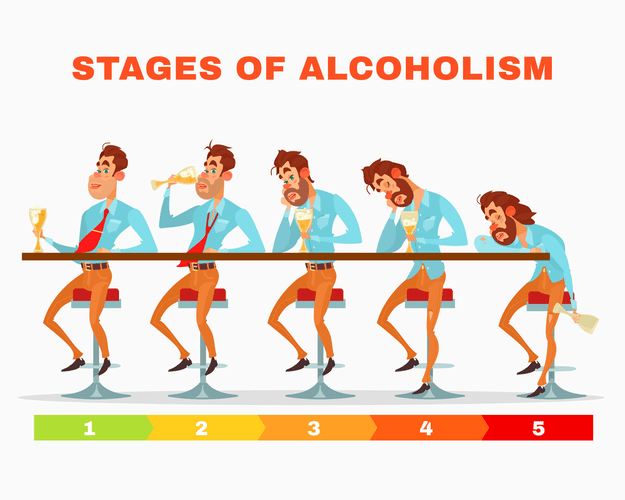
Whether you’re exploring treatment options or contemplating joining a support group, know that each move forward is a testament to your courage and commitment to a healthier future. Contact The Edge Treatment Center to begin your journey to lasting recovery. There’s several models of care that are available for screening. And one of them is the very popular and well-researched SBIRT, or screening, brief intervention and referral to treatment. And really for alcohol use, which is where this was first really proven out, it’s similar to cannabis use, where you would screen. You would understand that somebody is using cannabis and then that cannabis use is affecting them negatively and then refer them out to treatment.
Treatment options for marijuana addiction include evidence-based therapies such as cognitive-behavioral therapy (CBT), motivational enhancement therapy (MET), and support groups like Marijuana Anonymous. In some cases, medical detoxification is necessary, especially for those with co-occurring mental health disorders or other substance dependencies such as alcohol addiction. Anti-anxiety medications are also prescribed during withdrawal to alleviate acute symptoms and facilitate the recovery process. Still, prolonged use of the drug can lead to significant mental health problems, memory loss, altered sensory perception, increased heart rate, and adverse effects on daily functioning. For many heavy marijuana users, what started as recreational use has evolved into drug abuse that affects relationships with family members, work performance, and overall well-being.
A person’s urges might be so strong, for example, that they would sacrifice other commitments such as work or school in order to acquire and use marijuana. Whether you’re dealing with withdrawal, daily use, or just want alcoholism symptoms to take a break from weed—you’re not alone. Thousands of people have faced this challenge and come out stronger, healthier, and happier. But addiction doesn’t mean the end of the road—it’s a signal to seek help, not a reason to feel shame.
If you’ve used cannabis regularly—especially high-THC flower, vapes, or concentrates—you might feel a bit off when you stop. Many patients develop tolerance over time—it’s a biological response to repeated exposure. 🚫 Cannabis is not physically addictive in the way opioids, alcohol, or nicotine are, but yes—it can lead to dependence for some users.
