
Beautiful Plants For Your Interior
Beautiful Plants For Your Interior

Leeks provide a mild, sweet flavor and a solid dose of prebiotic fiber. They nourish beneficial bacteria and improve overall gut function. Sautéed, roasted, or eaten raw, they offer digestive benefits in any form.
The researchers discovered that 168 of these chemicals are harmful to bacteria that normally live in a healthy gut. Those chemicals included pesticides like herbicides and insecticides that are used on crops, industrial compounds used in things like flame retardants (which can wind up on your couch), and plasticizers. The necessary human trials are costly and take a relatively long time to complete. Probiotics are live bacteria and yeasts that have beneficial effects on your body. Probiotic supplements add to your existing supply of friendly microbes.
There’s a lot of research in progress on the potential benefits of probiotics, and initial results are promising. Different probiotic products may help improve your skin health, your vaginal health or your gut health and build up your immunity in general. While they may not be the total solution to your health issues, they might provide an important piece of the puzzle. They can help you pick the best one for you, ensure your safety and monitor your results. Your gut microbiome — the community of microbes living in your GI tract — plays a complex role in your digestive system, and https://aanmc.org/naturopathic-medicine/holistic-nutrition-overview/ in many other body systems. Different types of microbes function differently within your body, so different types might be better or worse for your condition.
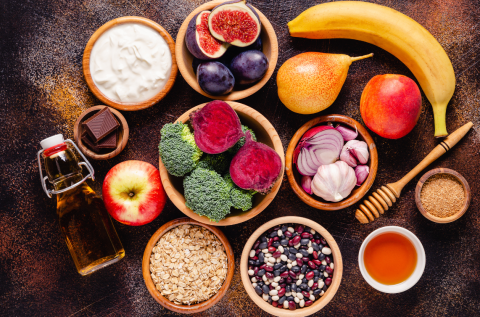
Dr Sharma advises spreading these foods throughout the day instead of consuming large amounts at once and drinking enough water to allow fiber to work effectively. Their fiber content helps improve bowel regularity and gut comfort. If you’re going to focus on one nutrient for gut health, make it fiber. Fatty fish like salmon are often recommended for healing a leaky gut, a broad term for digestive symptoms resulting from intestinal lining damage. Research suggests that consuming salmon regularly can help digestion by positively impacting the gut microbiota.
Bananas also contain prebiotics, which help the good bacteria in your gut (also known as probiotics) thrive, Natalie Rizzo, M.S., R.D., previously explained. Care+ Gut Nutrition is designed to support digestion and nutrient absorption through a blend of prebiotics, probiotics and postbiotics, along with functional whole-food ingredients. A balanced microbiome helps break down food more effectively, allowing nutrients like iron to become more available to the body. Many people drink kefir on its own, which some research shows can diminish unhealthy mouth bacteria, contributing to improved oral hygiene8.
“Garlic, onions, leeks, asparagus, bananas, oats, and dandelion greens are all excellent sources of prebiotic-rich foods,” says Stephenson. Knowing which foods to limit can be just as important as knowing which foods to include when it comes to your gut health. Ultra-processed foods, artificial foods, added sugar, preservatives and additives can wreak havoc on your gut. Williams shares that both mental and physical stress are detrimental to your gut health.
Malone’s motto is “Anchor your meals with protein” — a simple reminder to incorporate protein into each meal without overthinking your daily amount. She recommends spreading out protein evenly throughout the day instead of lumping it all into one big meal. If you’re not a fan of the taste of Greek yogurt, Malone recommends trying cottage cheese. It’s another good-for-your-gut protein option with a milder flavor. Malone recommends first soaking lentils and then using a pressure cooker. This helps reduce lectins, which are substances that can cause irritation in the gut for some people.
The probiotics in yogurt help balance gut bacteria, easing bloating and discomfort. Choose unsweetened varieties with live active cultures for maximum benefits. There are plenty of foods that are high in protein and in fiber, which is great for gut health. Some of these foods also contain gut-supporting bacteria or anti-inflammatory nutrients that help calm your gut. Garlic works overtime for gut health as a prebiotic, providing food for the good bacteria in your gut. A staple in German cuisine, sauerkraut is a pickled cabbage dish similar to kimchi.
Radishes contain unimeal reviews consumer reports fiber and compounds that aid digestion and promote gut health. Their peppery crunch adds freshness to meals while supporting a balanced gut microbiome. Kefir is a tangy, fermented dairy drink loaded with probiotics and a wider variety of beneficial bacteria than yogurt. It supports gut health by promoting a diverse microbiome, which is essential for digestion and overall well-being. Kefir is also rich in vitamins and minerals, making it a nutritional powerhouse. Studies show that a diet rich in fiber and fermented foods can positively impact the gut microbiome, while a diet high in fat, sugar, and processed foods might have the opposite effect.
Analysing participants’ faecal samples revealed subtle alterations in the gut microbiome as well as significant changes in the levels of certain lipid metabolites in those eating fermented foods daily. The new guidelines point out the importance of gut health and the microbiome inside a person’s intestines. The gut microbiome includes trillions of bacteria, viruses and fungi whose balance is important for good health.
Therefore, soy is beneficial for those wishing to promote their gut health regardless of whether or not they have a condition that affects their gut. You can discuss the pros and cons of soy consumption with your doctor if you are worried about the effects of a higher intake on a certain condition. The fermentation process of vegetables used to make kimchi not only enhances its flavor, but also produces the live and active probiotic cultures that promote gut integrity. Raw onions are a great source of prebiotics and contain quercetin (a strong antioxidant) that fights damaging free radicals in the body. Onions also contain chromium (which boosts insulin production) and vitamin C (which supports a strong immune system).
